

TYRES
Shop bike tires online or instore at iNFiNiTY Baisikeli
Our top sellers
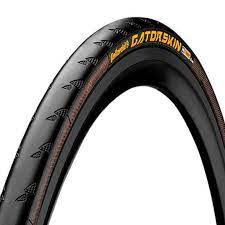
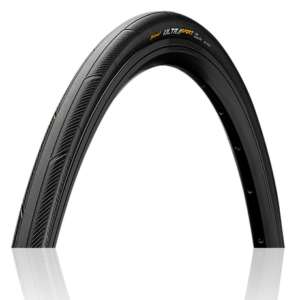
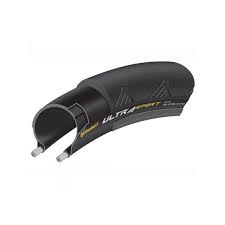
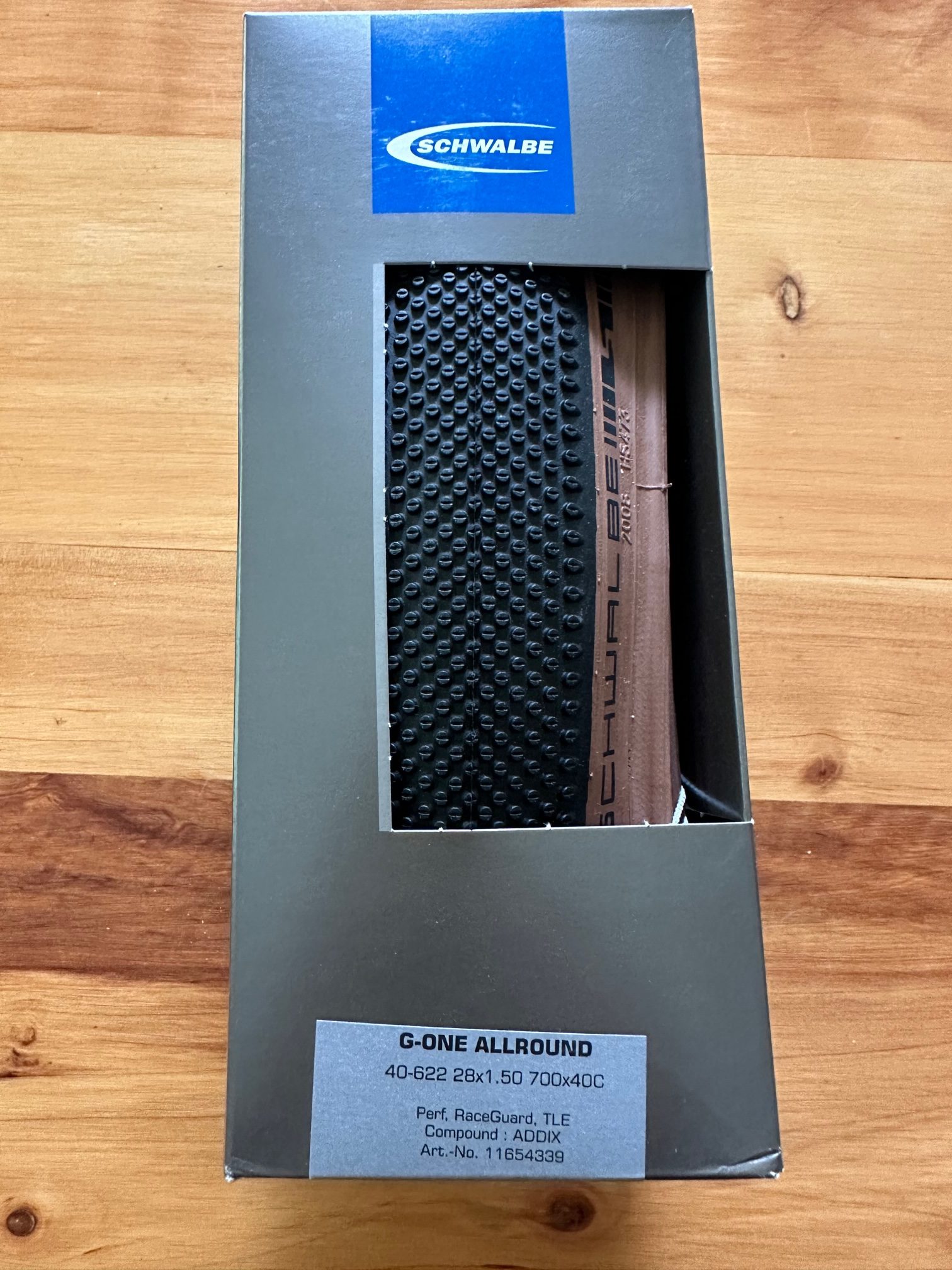
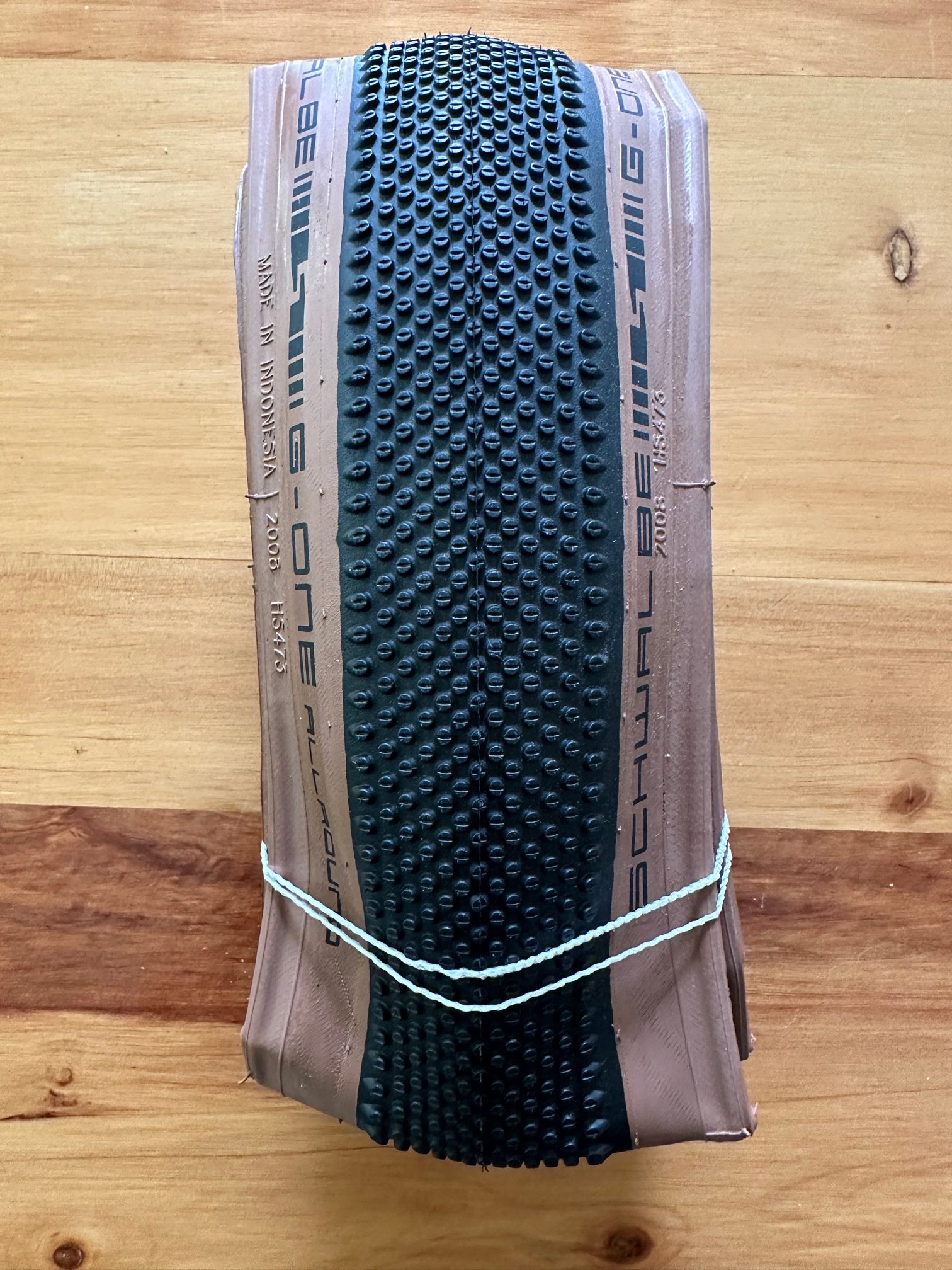
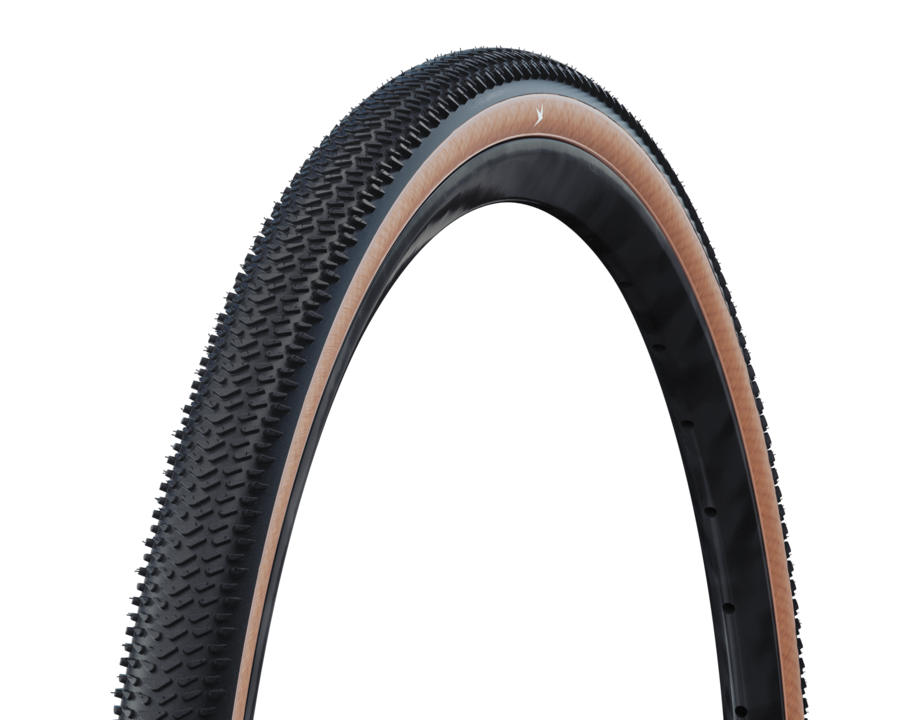
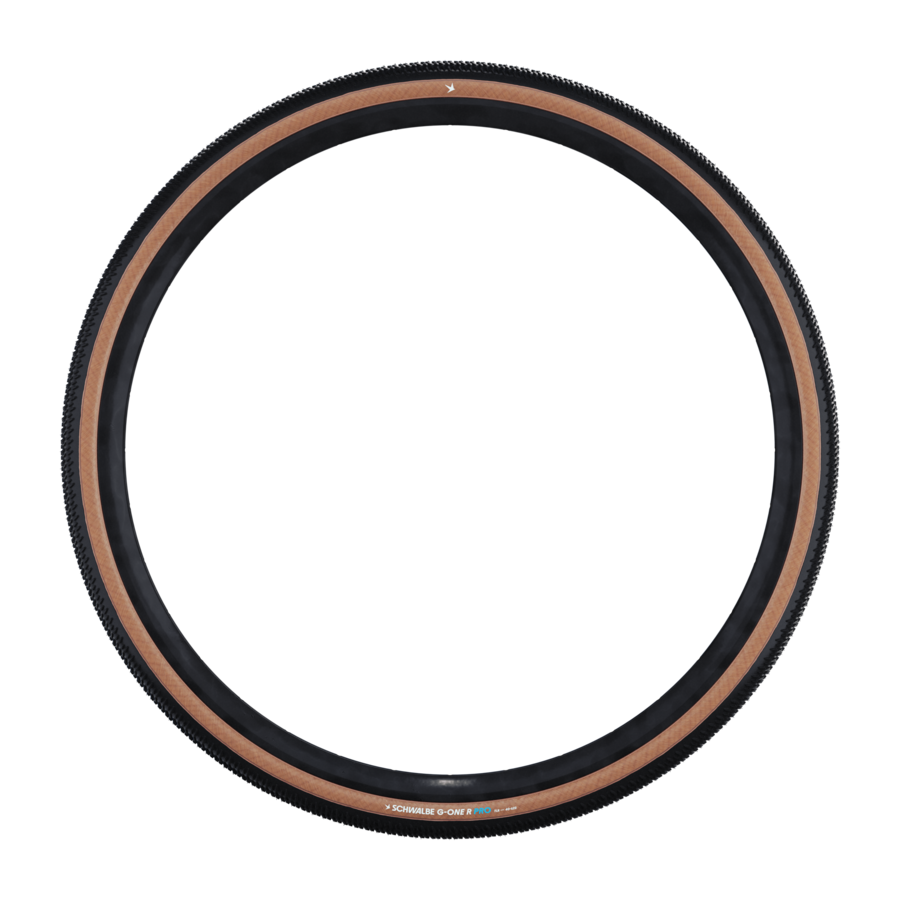
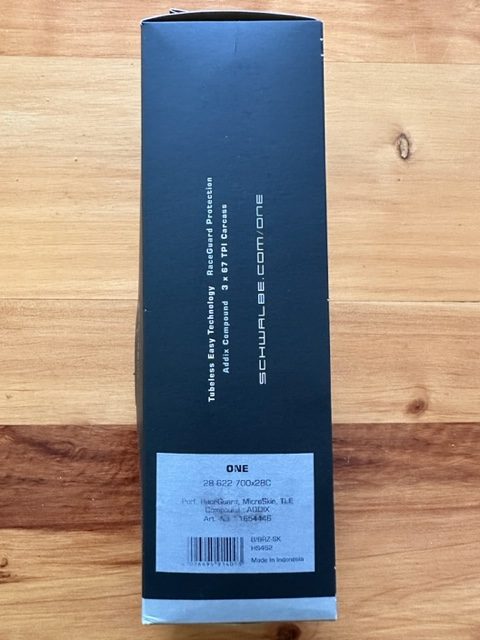
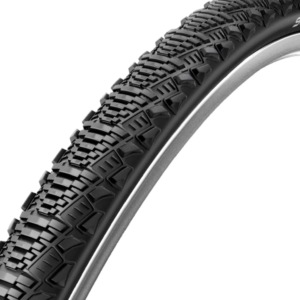
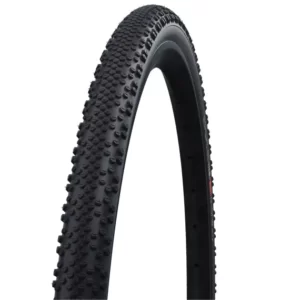
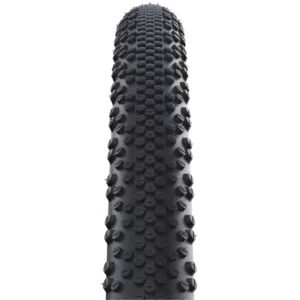
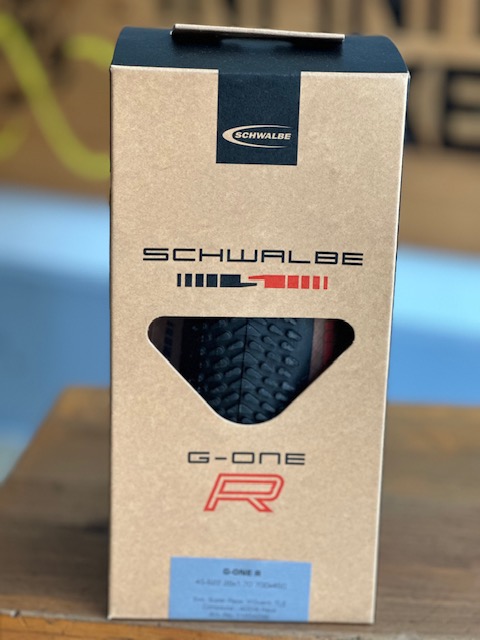
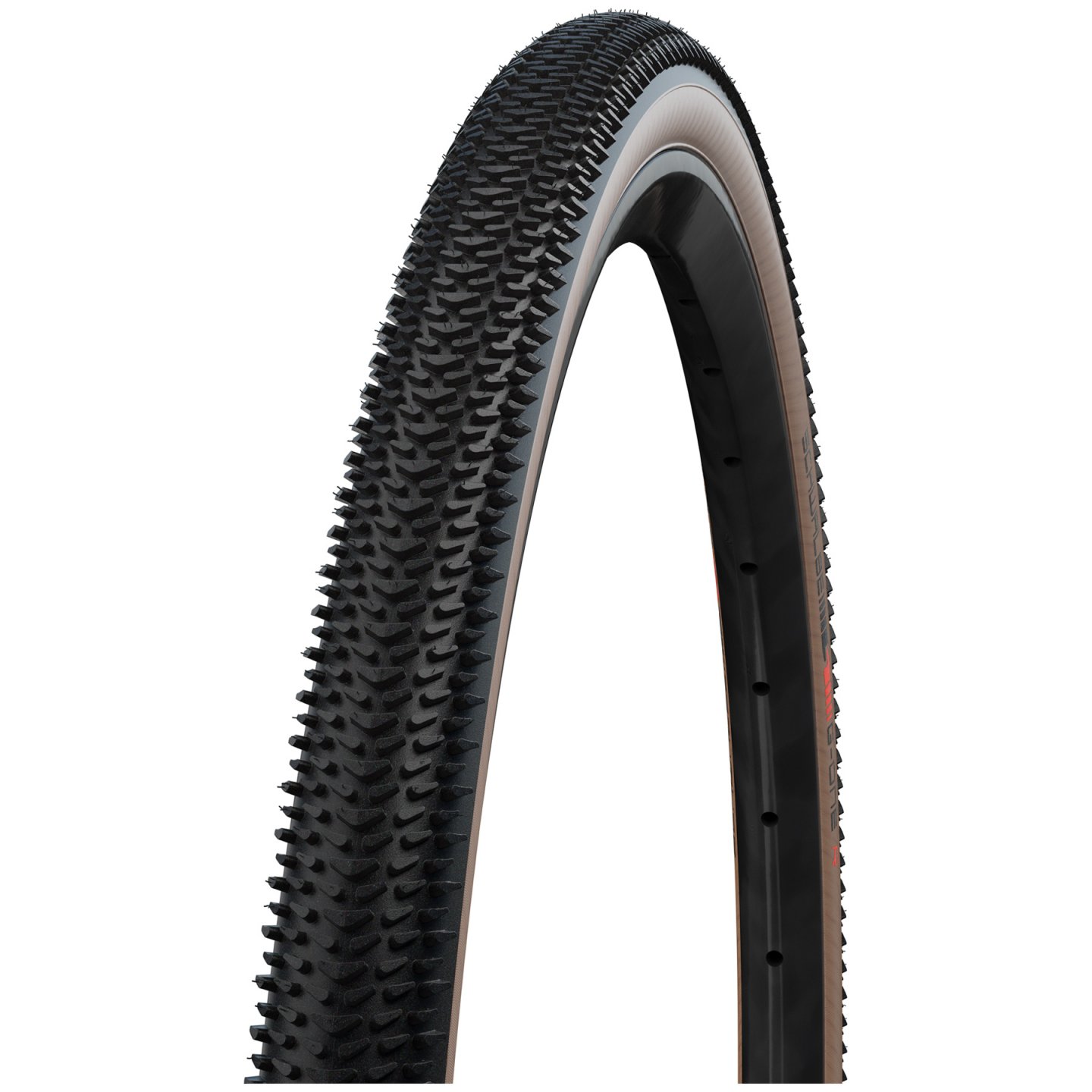
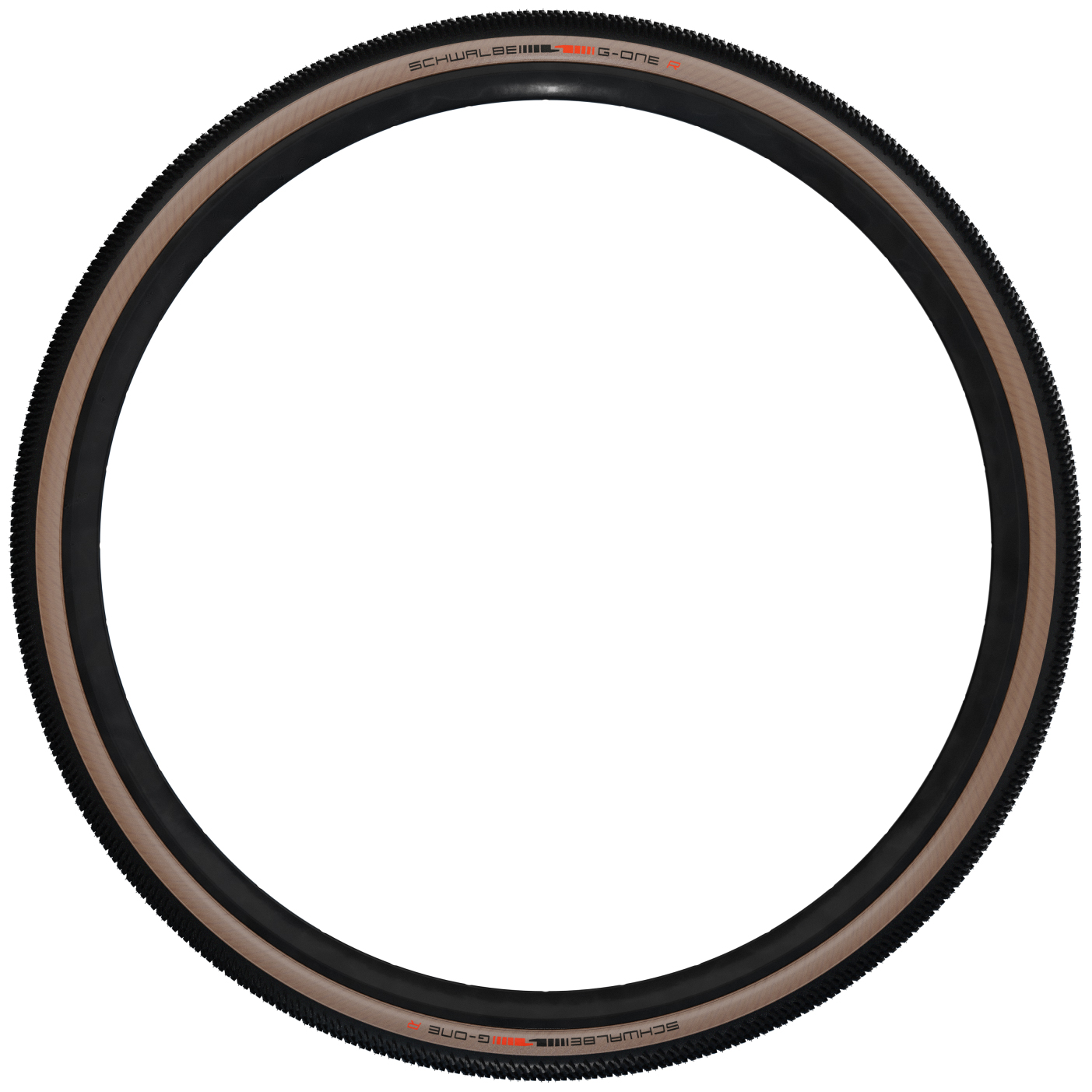
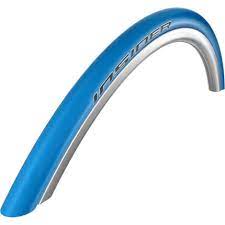
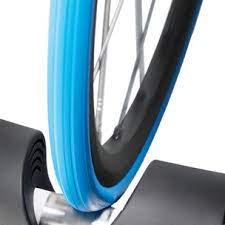
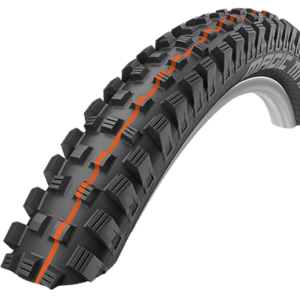
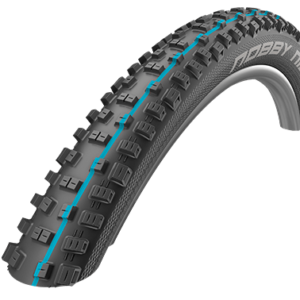
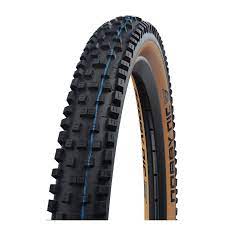
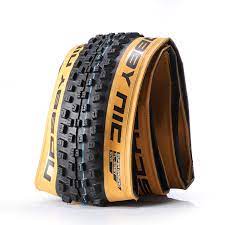
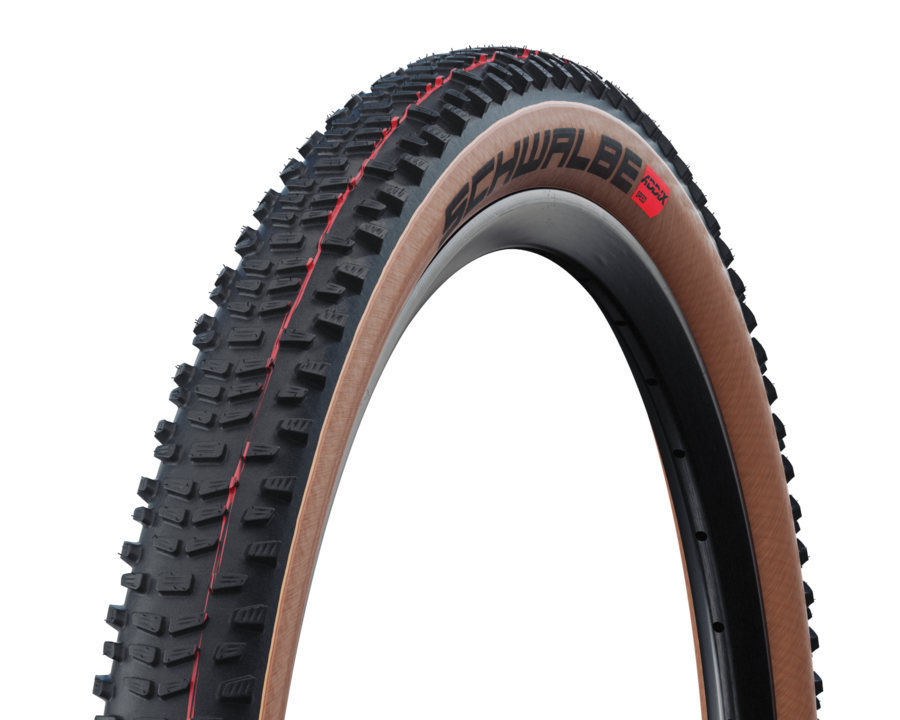
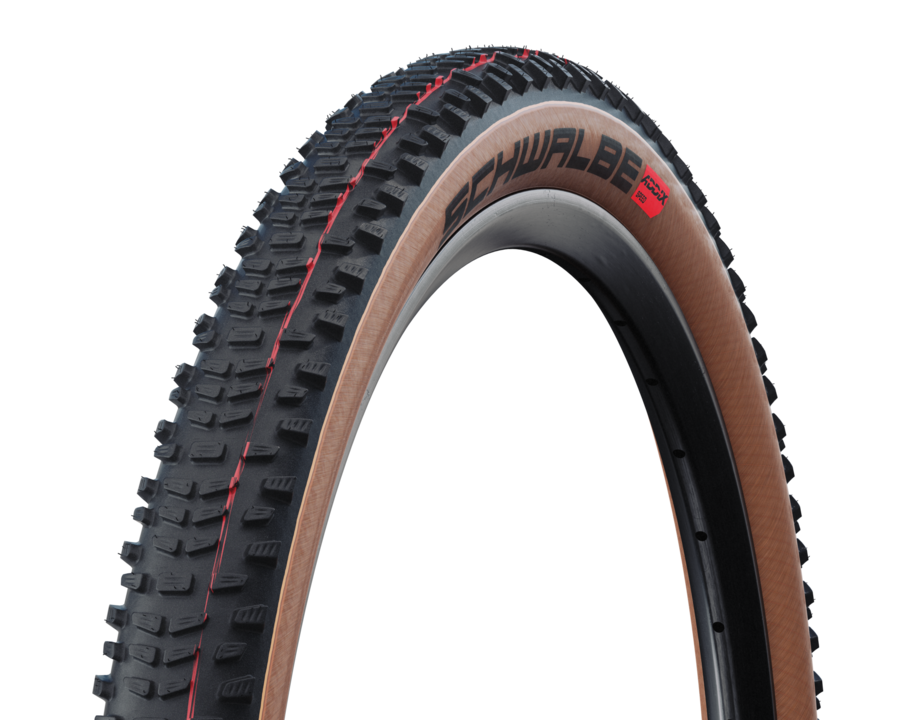
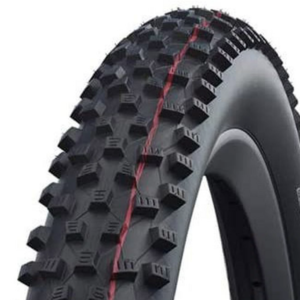
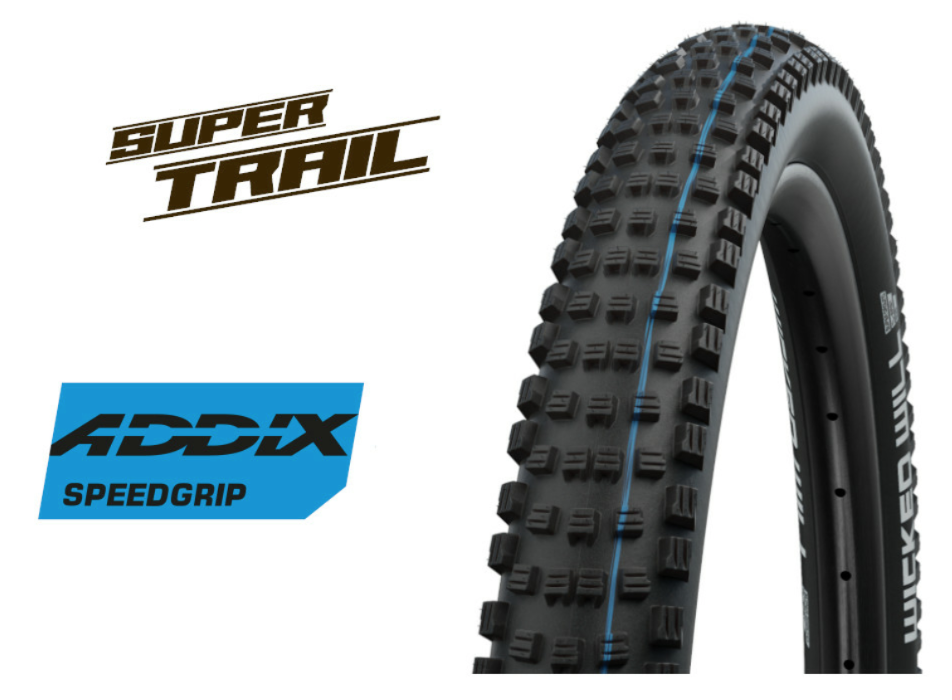
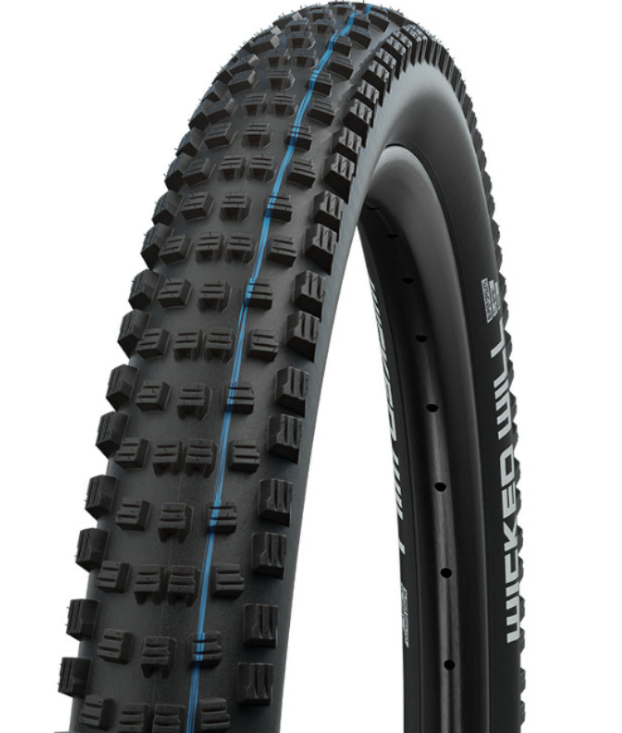
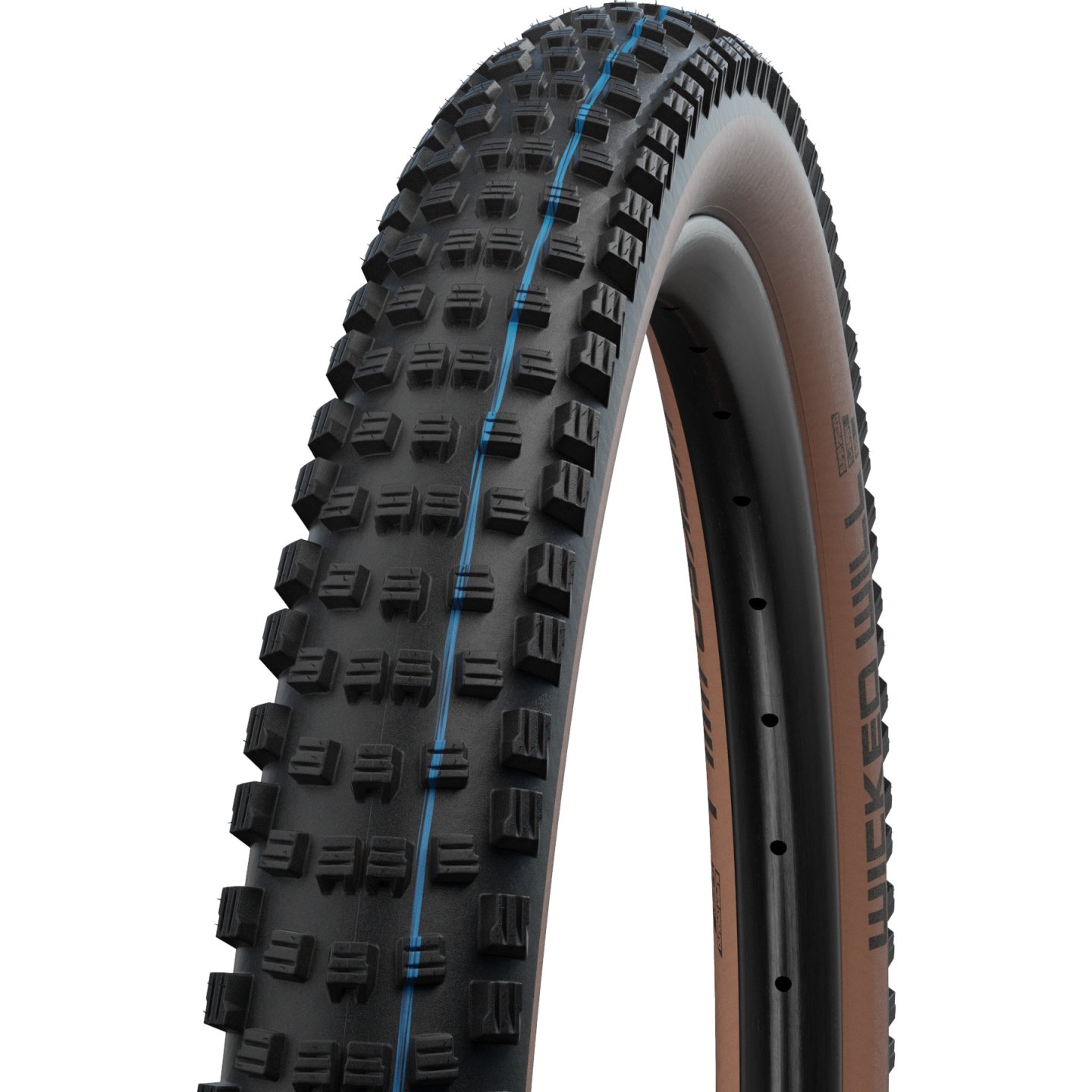
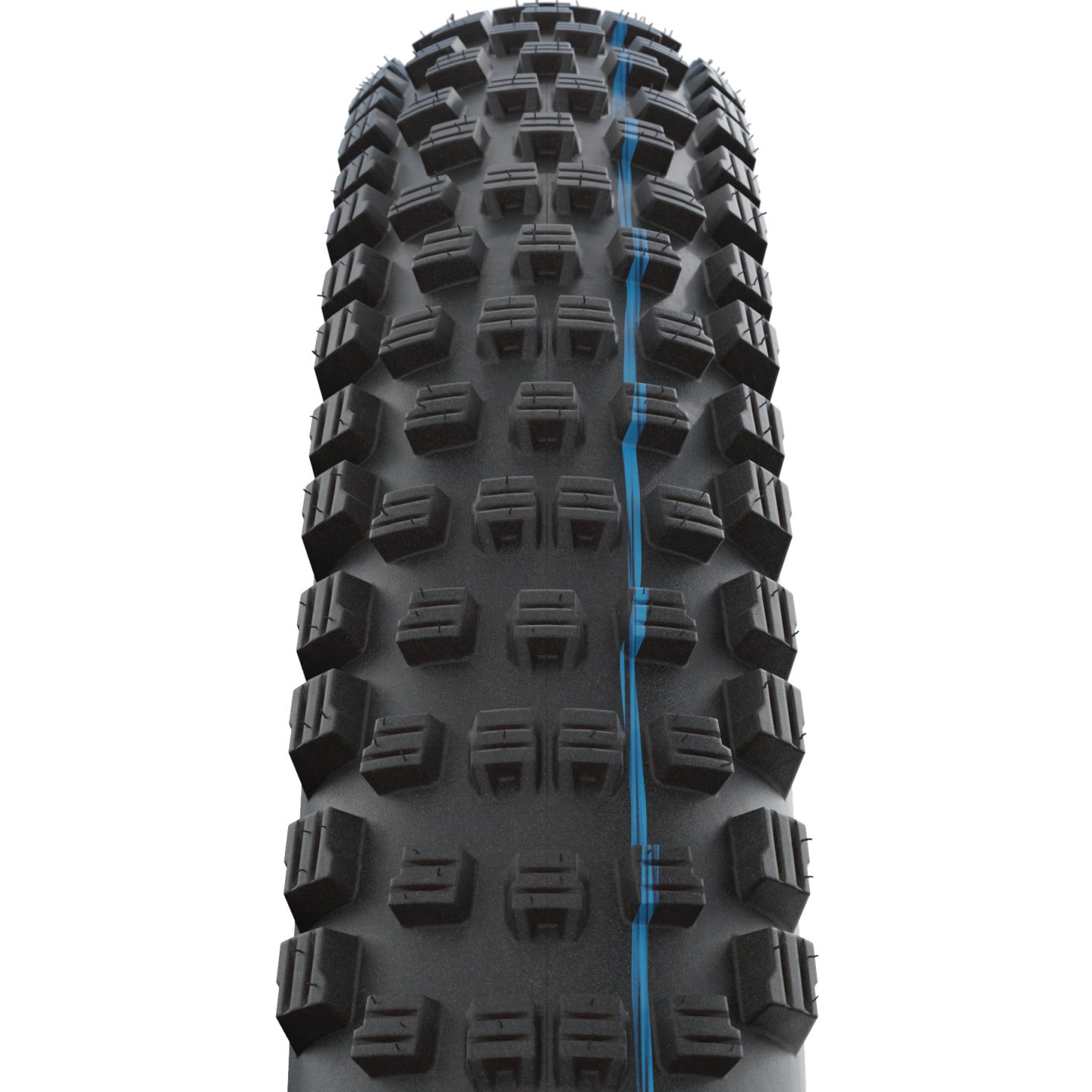
No other component affects your ride as directly as your bike tires. They determine how much grip you have in corners, how smoothly you roll over rough surfaces, and how efficiently your power reaches the road. Looking for fast bike tires for a road bike, grippy MTB tires for tubeless setups, or durable tires for your daily commute? At BIKE24 you’ll find wire bead and folding tires for every riding style and surface. Choose from top brands like Schwalbe and Continental and find the bike tires for sale that match your next miles.
Why upgrading your bike tires makes a difference
Your bike tires are the only contact point between you and the ground. Riding fast on asphalt, exploring gravel routes, or tackling loose terrain – the right tire changes how your bike feels and performs.
- More efficiency: Modern rubber compounds and optimized casings reduce rolling resistance and improve comfort from the first ride.
- The most noticeable upgrade: Few components change ride feel as much as a new tire.
- Better puncture protection: Reinforced casings and protective layers help prevent cuts and punctures on everyday rides.
Bike and e-bike tires at a glance
Bike tires differ in width, tread pattern, and construction – each designed for a specific riding style. Slick, narrow tires minimize rolling resistance on asphalt, while wide, knobby tires deliver maximum grip off-road. Between those extremes you’ll find versatile all-round options and specialized tread patterns for gravel, touring, and everyday riding. The right tire depends on your bike type.
Road bike tires
Every watt counts on the road – and modern road bike tires make all the difference. Fine casings, optimized rubber compounds, and widths from 25 to 32 mm combine low rolling resistance with dependable cornering grip. With the right setup, tubeless systems can further reduce rolling resistance while improving traction.
All-road and gravel bike tires
Asphalt in the morning, gravel in the afternoon – all-road and gravel bike tires are built for both. Widths from 35 to 50 mm provide enough cushioning for rough surfaces while still rolling efficiently on pavement. If your routes regularly include rough terrain, choose models with reinforced sidewalls for added durability.
Cyclocross tires
In cyclocross, terrain and pace change constantly – your tires need to perform in mud, wet grass, and on hard ground. Race tires follow UCI regulations with a maximum width of 33 mm and use carefully tuned tread patterns for mixed conditions. You can choose between folding tires, tubeless tires, or tubular tires.
MTB tires
On the trail, the right tires determine your control and ride feel. Wide, knobby tires starting at 2.25 inches grip reliably in loose terrain. Casing strength varies by discipline – lightweight and fast-rolling for XC, or reinforced with added sidewall protection for enduro and downhill riding. Tubeless setups are the standard here.
Touring and city bike tires
If you ride every day, reliability matters most. Touring and city bike tires are built for exactly that – with durable casings, integrated puncture protection layers, and reflective sidewalls for better visibility. Widths from 1.35 inches (35 mm) to 2.0 inches (50 mm) give you the right balance of comfort and efficiency for commuting and long-distance rides.
E-bike tires
Motors and batteries add weight and torque to your bike – your tires need to handle it. E-bike tires use reinforced casings and multi-layer puncture protection for the extra load. To make choosing easier, all “E-Bike Ready” tires in our shop include “E-25” in the product title. If you ride an e-bike or S-Pedelec capable of 45 km/h, regulations require tires with ECE-R75 certification. You can filter these models directly in our shop.
What to consider before buying bicycle tires
The best bike tires are the ones that match your bike, your riding style, and the terrain you ride most often. Whether you’re looking for lightweight folding tires for road cycling, grippy tires for gravel rides, or maximum puncture protection for daily commuting, the most important factor is always the correct tire size. Diameter and width must match your rim, frame, and fork clearance. Tire type, tread pattern, and casing construction allow you to fine-tune your setup for your riding needs. The tire type – wire bead, folding, or tubeless – should match your budget and how you ride. Tread pattern and rubber compound determine grip and rolling efficiency, while casing construction influences comfort and weight. Puncture protection also plays an important role in bicycle tire reliability.
What tire size fits my bike?
Tire width affects handling, rim compatibility, and the clearance available in your frame and fork. You can find the correct size on the sidewall of your current tire. For MTB tires, the size is usually given in inches, for example 29×2.50. The number 29 refers to the wheel diameter, while 2.50″ indicates the tire width. For road, gravel, or city bikes, the ETRTO size is the most important reference, such as 40-622. Here, 40 describes the tire width in millimeters, while 622 indicates the inner diameter. The inner diameter must always match your rim, so the tire fits correctly. Tire width can be adjusted slightly, provided your rim and frame offer enough clearance. If you need help choosing the right size, our bike tire size guide explains everything step by step.
Wire bead, folding, or tubeless – which is better?
The tire type affects weight, rolling resistance, installation, and ride feel. Wire bead tires are a durable and affordable option. They’re typically used with an inner tube and are a common choice for everyday riding. Folding tires use a Kevlar or aramid bead instead of steel, which reduces weight and often allows for more advanced rubber compounds and more supple casings. They can be used with tubes or, in tubeless-ready versions, run without one. Tubeless tires are installed with sealant on a compatible rim. They reduce rolling resistance, improve puncture resistance, and allow lower tire pressure for more grip and comfort. Tubular tires have a tube sewn directly into the tire and are glued to special rims. They’re typically used in road racing.
What should I know about hookless tires?
Not every bike tire is compatible with hookless rims. Tires that are approved for hookless use are specifically designed to work with rims that have a straight sidewall instead of a hooked bead. When choosing a tire for a hookless rim, make sure the manufacturer explicitly lists it as hookless compatible. These tires are built to operate within the pressure limits required for hookless rims. Always follow the manufacturer’s recommended pressure range to ensure safe and reliable performance.
What role do casing and TPI play?
The casing is the structural fabric inside the tire. It forms the foundation of the tire and largely determines how it rides. The density of this fabric is measured in TPI – threads per inch. In general, a higher TPI casing is more supple, allowing the tire to conform better to the ground and roll more smoothly. However, the TPI number alone doesn’t determine overall tire performance. Bike tires are built from multiple overlapping layers, and their overall performance depends on the full construction of the tire. Performance-oriented tires often use a light, high-TPI casing with targeted reinforcements in key areas. Tires designed for gravity riding, touring, or everyday use typically rely on multi-layer constructions with additional protection belts. What matters most is the complete tire construction – the combination of casing layers, materials, rubber compounds, and puncture protection – not a single specification.
How important is puncture protection?
The importance of puncture protection depends on where and how you ride. For everyday commuting on roads and bike paths, tires with integrated protection layers made from aramid, nylon, or reinforced rubber compounds significantly reduce the risk of punctures. Off-road, reinforced sidewalls help protect the tire from cuts caused by sharp rocks. Tubeless setups add another advantage: small punctures are often sealed automatically by the sealant while you ride, allowing you to keep going without stopping.
Skinwall, reflective sidewalls, spikes – what do they mean?
Our shop filters help you narrow down bike tires by specific features. Skinwall refers to uncolored sidewalls that reduce weight and give the tire a classic look. Reflective sidewalls improve visibility in low light and at night. Spikes provide traction on ice and snow. The ECE-R75 marking identifies tires approved for high-speed S-Pedelecs.
When should I replace my bike tires?
All tires wear out over time and also age due to UV exposure and material degradation. Clear signs it’s time for new bike tires include flattened tread, frequent punctures, deep cracks in the sidewall, or a tube that begins to bulge through the tire casing. Some manufacturers make this easier by adding wear indicators. These are small dimples in the tread that disappear as the tire wears down. When the indicators are no longer visible, it’s time to replace the tire.